

A good grip can make the difference between a winning shot and a missed opportunity. It allows you to execute various shots with ease and confidence.
Understanding the different types of grips is essential. Each grip serves a unique purpose and can be adapted to different situations.
This guide will walk you through the basics of holding a badminton racket properly. You’ll learn techniques that can elevate your game to the next level.
Whether you’re a beginner or an intermediate player, improving your grip can significantly impact your performance.
Why Proper Badminton Racket Grip Matters
A proper badminton racket grip is vital for consistent performance. It directly impacts your ability to control the racket and generate power.
A well-executed grip allows for smooth wrist movement. This flexibility is crucial in executing quick shots and intricate maneuvers.
With the right grip, your accuracy and shot speed improve significantly. It offers more precision during play, affecting shot placement and trajectory.
Here are a few benefits of a proper grip:
- Increases control and power
- Enhances shot accuracy
- Reduces tension and injury risk
A correct grip reduces the chance of injuries such as tennis elbow. It ensures that your hand is positioned ergonomically with your wrist and forearm.
Adopting the correct grip technique increases your confidence and focus during matches. When you aren’t worried about your grip, you can concentrate on strategies and tactics.
Types of Badminton Grips
Understanding the different types of badminton grips is crucial. Each grip has its unique advantages and appropriate situations for use.
Players typically use three main grips: forehand, backhand, and panhandle. Each of these grips plays a significant role in the game.
Choosing the right grip can influence your shot selection and overall strategy. It determines how well you execute offensive and defensive plays.
Here’s a quick look at these grips:
- Forehand Grip: Used for forehand shots.
- Backhand Grip: Ideal for backhand shots.
- Panhandle Grip: Useful for net plays.
Mastering these grips enhances your adaptability on the court. They allow for faster transitions between defensive and attacking play styles.
Knowing when to use each grip increases versatility. It provides the ability to react promptly and effectively during matches.
Forehand Grip
Position your index finger and thumb to form a V-shape. This positioning gives you a stable grip and control.
The forehand grip is essential for most offensive plays. Start by holding the racket with the face perpendicular to the floor.
Here’s a quick step-by-step guide:
- Hold the racket like a handshake.
- Form a V-shape between the thumb and index finger.
- Maintain a relaxed but firm grip.
This grip allows for powerful forehand smashes and drives. It’s crucial in delivering quick and accurate shots from various angles.

Practicing the forehand grip regularly helps develop muscle memory. Over time, it enhances your overall proficiency and shot execution.
Backhand Grip
The backhand grip is critical for returning backhand shots. Adjust your grip from the forehand by rotating the racket.
The thumb should rest against the flat side of the grip. This provides leverage and control when performing backhand swings.
Here’s how to form a backhand grip:
- Start from the forehand position.
- Rotate the racket slightly counterclockwise.
- Position your thumb for support.
The backhand grip is perfect for defensive plays and flicks. It enables swift responses to shuttlecocks on the non-dominant side.

Panhandle Grip
The panhandle grip is less common but useful near the net. It resembles holding a frying pan handle, hence the name.
In this grip, the racket face is aligned parallel to the floor. It allows quick reactions for net kills and tight net shots.
Steps to achieve the panhandle grip:
- Hold the racket with the face parallel to the floor.
- Keep the grip relaxed for quick reactions.
This grip aids in making deceptive net shots, essential for catching opponents off guard. It’s a valuable skill in doubles and singles play.
Step-by-Step Badminton Grip Guide
Learning the proper badminton racket grip can elevate your game. Let’s break down the process into easy-to-follow steps.
Preparing the Racket:
Before anything, ensure your racket is in good condition. Check that the grip is not worn out or slippery.
A fresh grip helps you maintain a firm hold during gameplay. It reduces the chances of mishandling or dropping the racket.
Establishing the Forehand Grip:
- Hold the racket with the string face perpendicular to the ground.
- Shake hands with the racket, aligning your fingers naturally.
- Ensure a V-shape is visible between your thumb and index finger.
This grip gives you power for smashing shots. It offers control for precise placement.
To shift to a backhand grip, rotate the racket within your palm. Position your thumb against the wide part of the grip.

This provides leverage and control. Adjusting quickly between grips is key for dynamic play.
- Rotate the racket slightly, using your thumb as support.
- Focus on a relaxed yet firm hold.
- Practice switching swiftly between forehand and backhand grips.
Consistent practice makes this transition seamless. Explore various grip pressures for different scenarios.
Master these steps and adjust your grip instinctively during matches. It enhances your skill set and boosts performance across different game situations.
Common Mistakes and How to Avoid Them
Gripping the racket too tightly is a common error. It leads to stiffness and hinders wrist flexibility. Instead, maintain a relaxed grip to allow fluid motion.
Another frequent mistake is the incorrect placement of fingers. Ensure the V-shape between the thumb and index finger is maintained. Misaligning fingers can affect shot accuracy.
Lastly, switching grips too slowly is problematic. This reduces reaction time during play. Practice quick transitions between grips to improve responsiveness.
Avoid These Mistakes:
- Gripping too tightly or too loosely.
- Incorrect finger placement on the grip.
- Slow transitions between different grips.
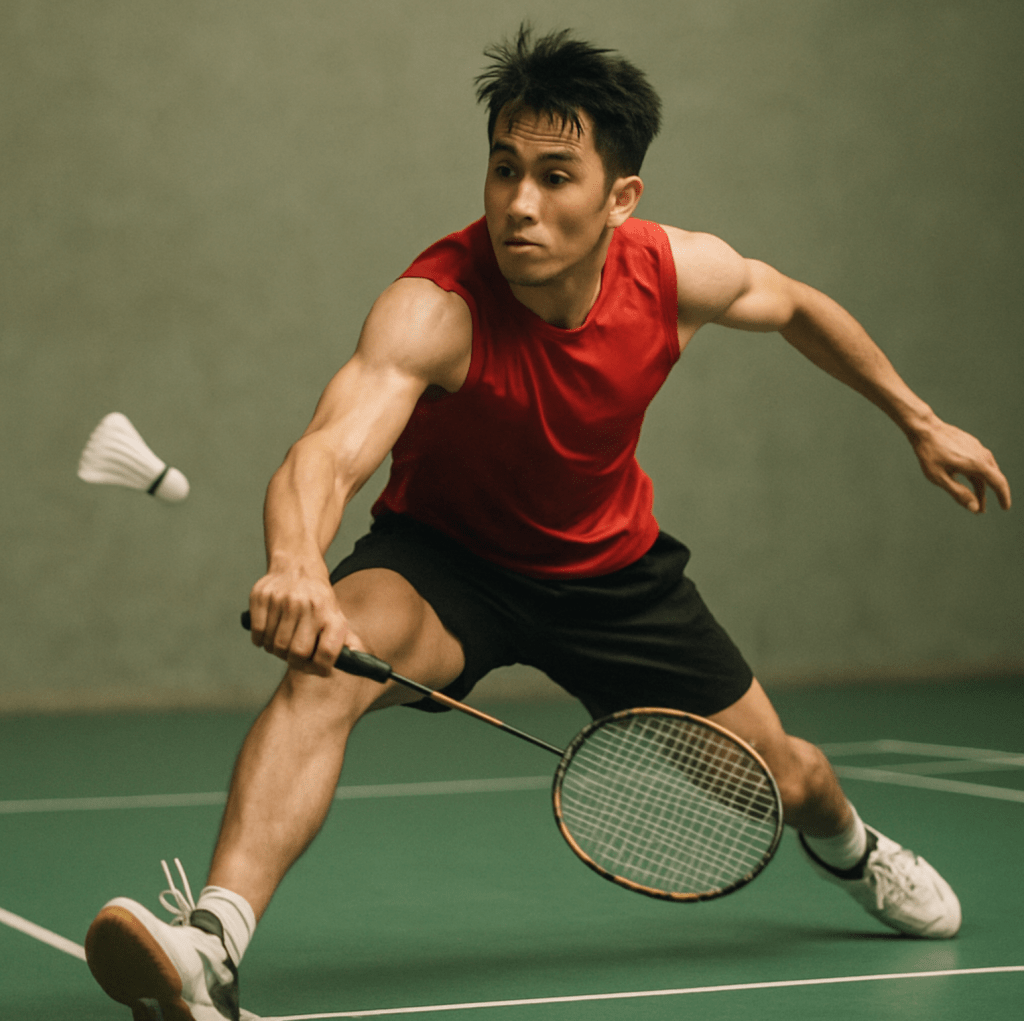
by Nathan DeFiesta (https://unsplash.com/@natedefiesta)
Regularly evaluating and adjusting your grip is crucial. This helps in avoiding these errors. Consistency in grip techniques boosts overall performance on the court.
Adjusting Grip for Different Shots
The grip you use greatly influences your shots. It determines both power and accuracy. Adjust your grip pressure based on the shot you plan to execute.
For smashes, a firmer grip adds power. However, for drop shots, a lighter touch allows better control. Be aware of your hand tension, adjusting as needed.
Changing grips also impacts backhand and forehand shots. Rotate the racket handle slightly for different strokes. This aids in maintaining control and speed.
Grip Adjustments:
- Firmer grip for powerful smashes.
- Looser grip for gentle drop shots.
- Rotate handle for better shot alignment.
xperimenting with grip adjustments can enhance your game. Practice these variations to refine your skills. Tailor them to match your individual playing style.
Grip Maintenance and Choosing the Right Grip
Regular maintenance of your grip is crucial. A worn-out grip can lead to poor control. Replace grips when they show wear or lose tackiness.
When selecting a grip, consider the size of your hand. A grip that’s too large or small causes discomfort. Choose a grip that feels comfortable and secure.
Also, consider different materials. Synthetic grips offer durability while natural leather provides better sweat absorption. Evaluate your needs to make the right choice.
Grip Selection Tips:
- Check for signs of wear regularly.
- Choose the correct size for your hand.
- Consider material properties like grip and absorption.
With routine care, your grip remains in top condition. This enhances performance and helps prevent injuries. Customize your grip to fit your unique playing style.
Advanced Tips: Switching Grips and Improving Grip Strength
Mastering the ability to switch grips quickly is crucial in badminton. This skill allows for smooth transitions during rapid play. Practice switching grips between forehand and backhand continuously.
Enhancing grip strength can elevate your game significantly. Stronger grip muscles increase control and reduce fatigue. Integrate exercises like squeezing a stress ball to build strength.
Incorporating these tips into your training routine makes a tangible difference. Here are some key points to focus on:
- Practice quick grip switches during drills.
- Perform hand and wrist strength exercises regularly.
- Experiment with different grip sizes for comfort.
By honing these advanced techniques, players can elevate their performance. This creates opportunities to execute more complex shots. Focused training on these aspects leads to long-term benefits.
Frequently Asked Questions About Badminton Grips
Badminton players often have many queries about grips. Addressing these questions can clear doubts and improve play. Below are some common inquiries with concise answers:
- How often should I change my grip? Change it when it’s worn or slippery.
- What grip size is best? Choose a size based on hand comfort and control.
- Can grip affect injury risk? Yes, improper grip might lead to strains.
Understanding these aspects can enhance confidence and performance on the court. Engaging with these common questions aids in learning and skill improvement.
Mastering the Proper Badminton Racket Grip
Mastering a proper badminton racket grip is essential for any player aiming for excellence. With the right grip, control over your shots improves dramatically.
Continuous practice ensures that the grip becomes second nature. This allows you to focus more on strategy and movement during play. Make grip adjustments as needed for maximum performance. Good luck in achieving your badminton goals, equipped with the right techniques and confidence.


Leave a comment